dcycle is a climate-tech company that helps organisations measure, report and act on environmental data. Its products convert supplier, product and supply-chain information into auditable sustainability metrics.
Protecting dcycle's product focus while delivering client-specific work
dcycle wanted its internal team focused on improving its sustainability platform, while client implementations and integrations still had to move. After a two-week first engagement introduced by a former Tailor employee, Tailor went on to deliver client-facing product work without pulling the core team away from its roadmap.

Client
Challenge
dcycle wanted its internal engineers focused on the platform. Individual customers still needed implementations and third-party integrations, and assigning each one to the core team repeatedly disrupted the product roadmap.
An external team could solve that capacity problem only if it learned dcycle's domain, architecture and delivery practices. Environmental data, supplier information and life-cycle calculations require enough context that restarting with a new team for every engagement would create another source of delay.
Dan, a former Tailor employee working at dcycle, recommended us when a previous supplier was missing deliveries. The first assignment was a tightly scoped two-week project for one of dcycle's customers: a practical test of whether Tailor could understand the context and deliver at the required pace.
What we built
The relationship expanded into work across two connected products.
The first was the dcycle LCA Tool, a Next.js application that transformed life-cycle data into navigable reports by product family, with structured tables, visualisations and audit-ready PDF exports.
The second brought the modelling workflow into dcycle's own SaaS. Users could construct a product's life cycle on a node-based canvas, upload distribution data from Excel or CSV, validate each column and connect transport information to external services. OpenAI helped process inconsistent table data, while retry and restore logic protected longer calculations from failure.
Across three months, the team absorbed more than a dozen approved scope changes and a migration to Tailwind CSS v4.
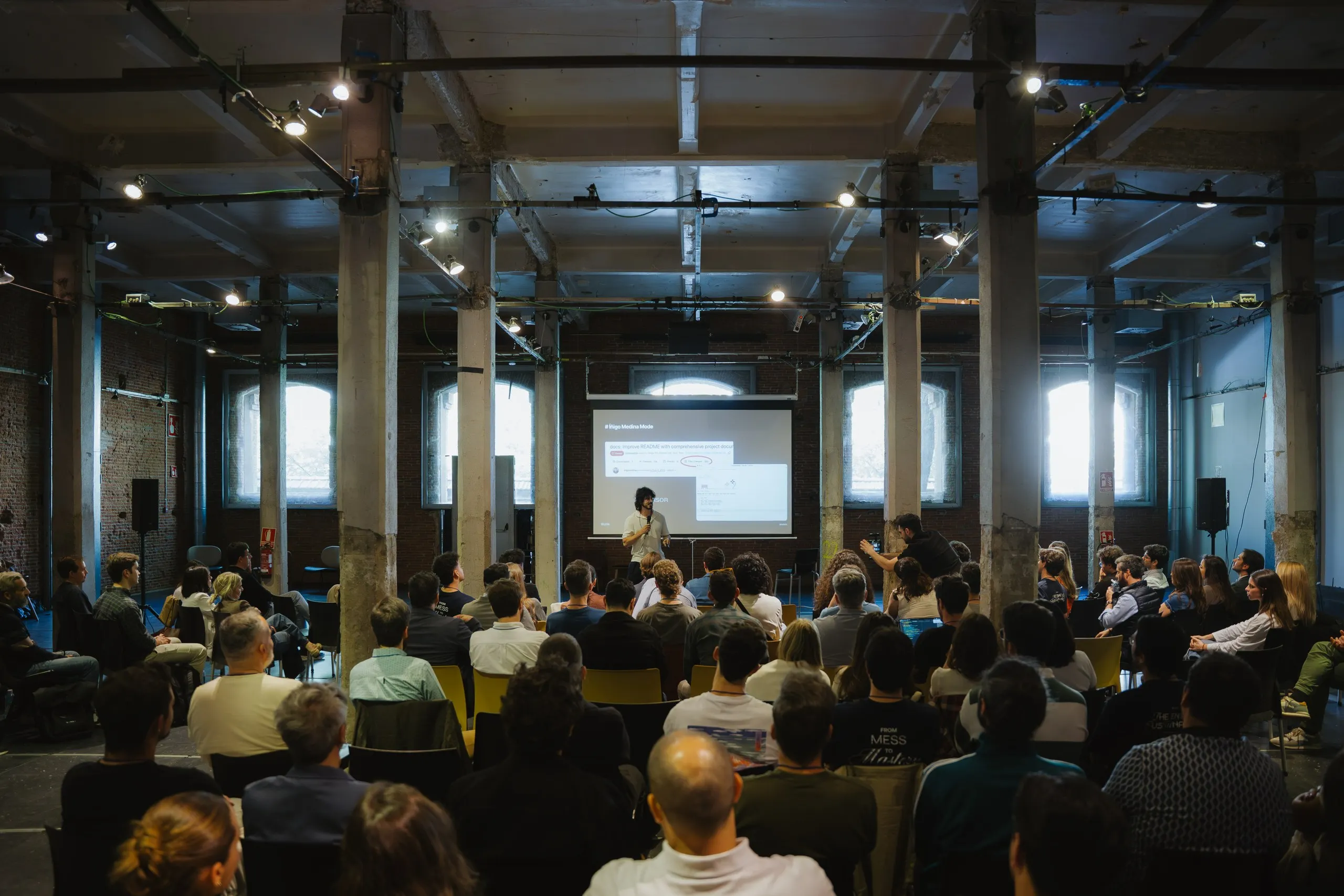
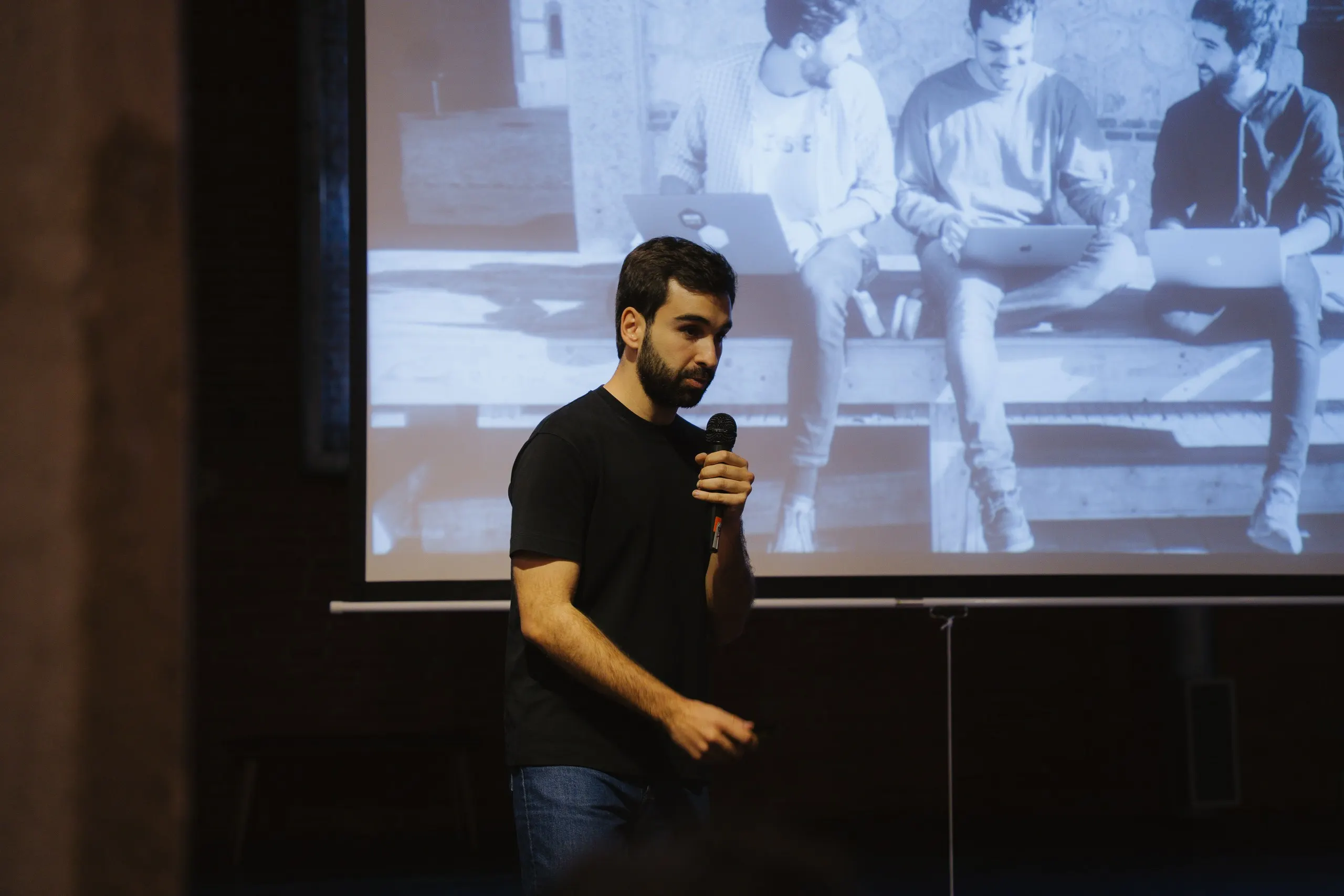
At dcycle we handle supplier data, supply chains, and regulations that change every quarter. Turning all of that into a reliable product for our clients is as much a data engineering challenge as a software one: pipelines that can't fail, models that have to scale, and a domain where every calculation matters. Tailor Hub was the partner we needed. They understand your architecture and your business, and they build with you. That's the difference that matters. I'd work with them again without hesitation.
Iñigo Medina - CPO at dcycle
Impact
The first two-week delivery showed that Tailor could absorb dcycle's domain and working methods quickly. The subsequent work produced a usable reporting experience and the modelling engine behind it while allowing the internal team to keep its attention on the core platform.
The relationship also created a base of retained technical and industry knowledge that can be reused across future customer implementations.